Saffron in pregnancy | Saffron for pregnant women + benefits and side effects

Saffron in pregnancy: what are the benefits and side effects for pregnant women? Is saffron consumption safe during pregnancy?
Saffron during pregnancy
Saffron, one of the world's most expensive spices, comes from plants grown in specific regions. Its unique aroma, flavor and medicinal properties attract considerable interest. Pregnant women pay particular attention to certain foods and medicinal substances because of physiological and hormonal changes. Saffron consumption during pregnancy has always been controversial.
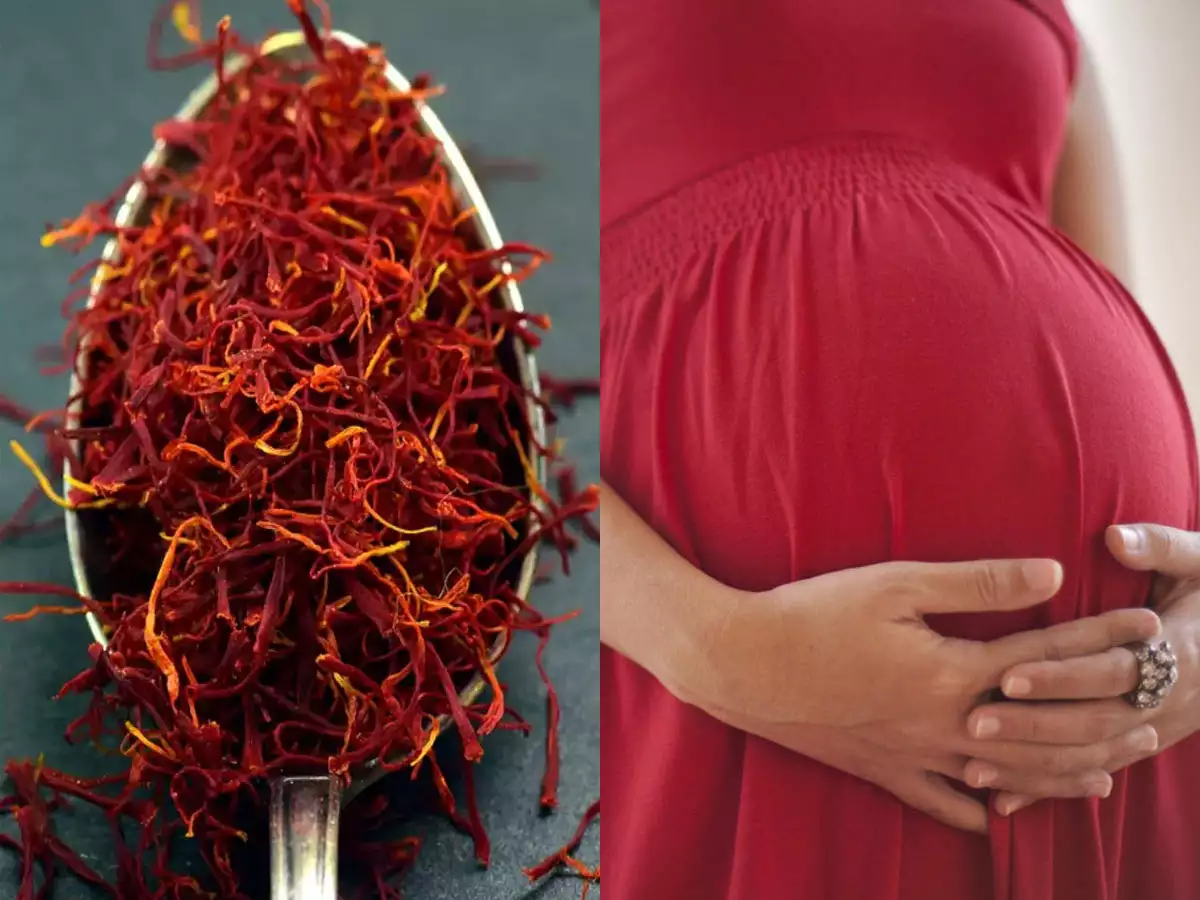
Saffron may offer pregnant women relaxation and better sleep, but appropriate, moderate consumption is essential. This article comprehensively examines saffron in pregnancy and shares important points for pregnant women and those planning pregnancy.
Saffron for pregnant women
Saffron may offer several benefits during pregnancy. Its calming properties may reduce common stress and anxiety. It may also improve sleep and reduce pregnancy-related sleep problems.
Saffron's antioxidants may also strengthen immunity. Stronger immunity during pregnancy may protect mother and fetus against illness. It may also improve circulation and reduce pregnancy-related swelling.
Saffron must nevertheless be used cautiously without excess. During pregnancy, small amounts are generally recommended in consultation with a doctor.
Is eating saffron during pregnancy harmful?
Excessive saffron during pregnancy may cause problems. A major concern is increased miscarriage risk. Some studies suggest large amounts may cause uterine contractions that can lead to miscarriage.
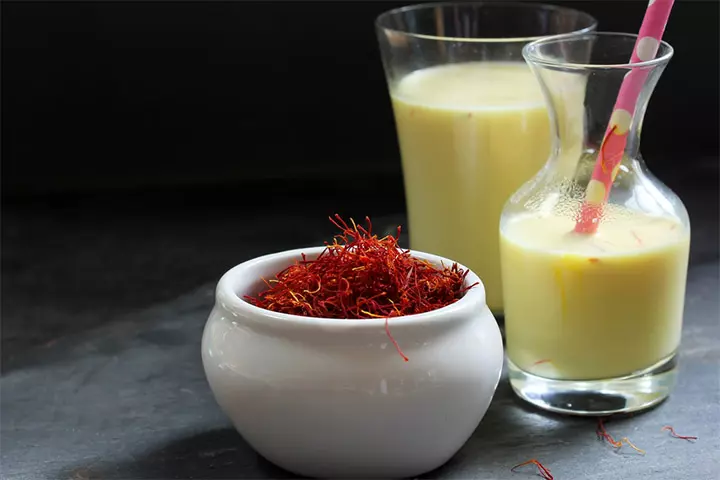
Excessive saffron consumption can also cause dizziness, nausea and vomiting. These effects may increase discomfort during pregnancy and adversely affect maternal and fetal health.
Pregnant women are therefore advised to consult their doctor before consuming saffron and avoid large amounts to prevent side effects.
Saffron benefits for pregnant women
Saffron may offer many benefits during pregnancy. Its calming effect may reduce stress and anxiety and improve sleep. Adequate sleep is especially important because it supports the general health of mother and fetus.
Saffron also has powerful antioxidants that may help strengthen immunity. This may protect mother and fetus from illnesses and infections and make pregnancy safer.
Side effects of saffron consumption during pregnancy
Although saffron may have many benefits, consuming large quantities may cause adverse effects. An important risk of excessive saffron consumption is miscarriage due to uterine contractions. This can pose a serious danger to pregnant women and requires particular attention.
Excessive saffron consumption may also cause dizziness, nausea, vomiting and diarrhea. These effects may cause further discomfort during pregnancy and negatively affect maternal and fetal health.
Saffron sharbat during pregnancy
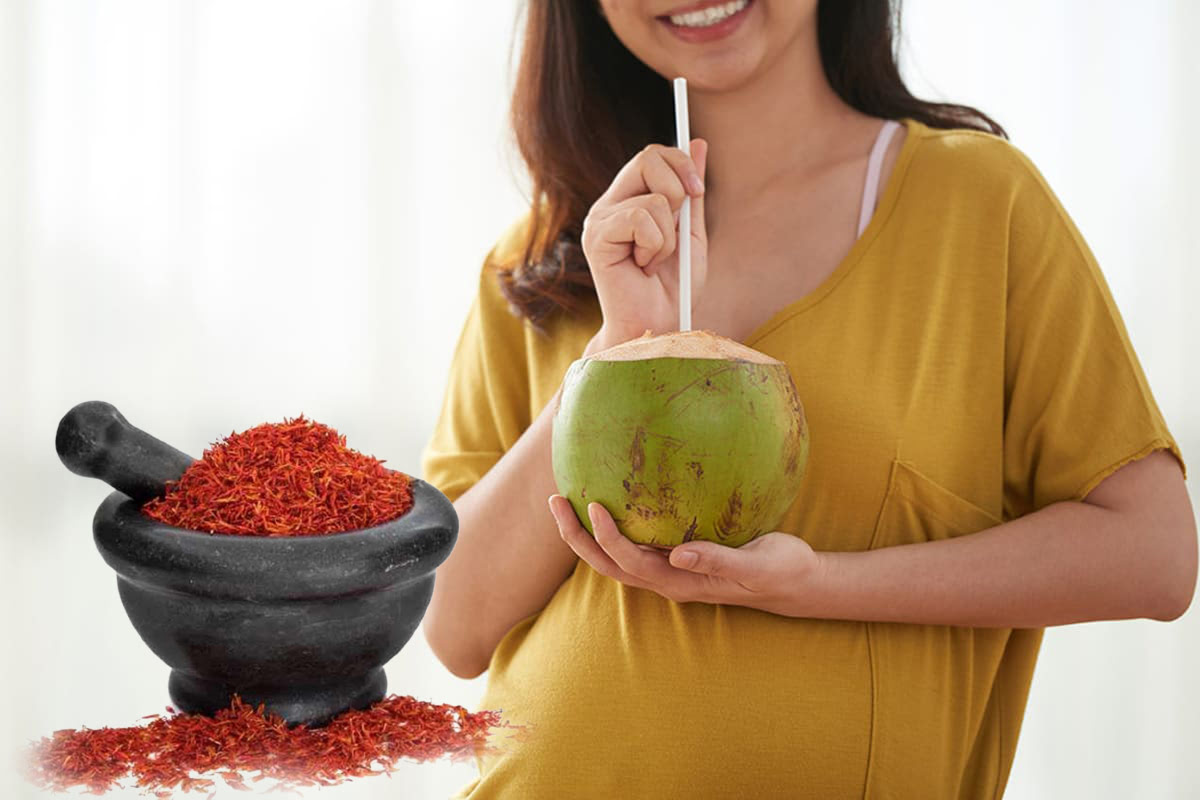
Saffron sharbat may be a calming, beneficial drink for pregnant women. It may reduce stress and anxiety and improve sleep. However, consume it cautiously and avoid excess. It is best to consult a doctor before any new sharbat or food during pregnancy.
Frequently asked questions about saffron during pregnancy
1. Is saffron safe during pregnancy?
Small amounts of saffron may be safe after consulting a doctor, but excessive consumption may increase risks such as miscarriage.
2. How much saffron is allowed during pregnancy?
Consult your doctor about the permitted amount of saffron during pregnancy. In general, more than 0.5 to 1 gram daily is not recommended.
3. Can saffron help improve sleep during pregnancy?
Yes. Saffron has calming properties that may improve sleep and reduce stress during pregnancy.
4. Can saffron consumption cause miscarriage?
Excess saffron may cause uterine contractions and increase miscarriage risk. Use it cautiously with medical advice.
5. Can saffron help support immunity?
Yes, saffron contains antioxidants that may support immunity and protect against illness.
Note : By following these guidelines, pregnant women can benefit from saffron while avoiding potential adverse effects. Consulting a doctor is always the best approach before using any food or medicinal substance during pregnancy.