Saffron and blood pressure | How does saffron affect blood pressure?

Saffron and blood pressure: how does saffron affect blood pressure? This article explores saffron and blood pressure in detail.
Saffron and blood pressure
Saffron, a precious, fragrant spice, is used in cooking and has remarkable properties in traditional medicine. Research shows it may positively affect cardiovascular health, especially blood pressure control. This article examines its effects on blood pressure and how to use it.
Saffron's effects on blood pressure
Saffron is known as a powerful antioxidant and may reduce inflammation. This may improve blood vessel function and lower blood pressure. Crocetin, an active saffron component, is recognized as helpful in lowering blood pressure. Overall, saffron supplements may help reduce cardiovascular disease risk.
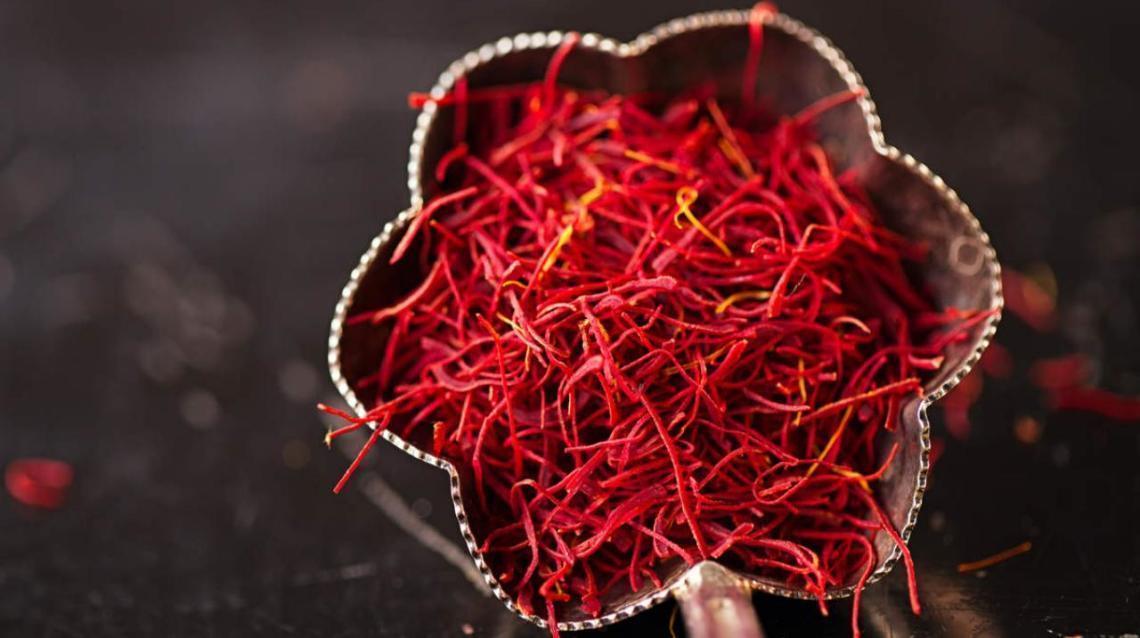
Saffron may also help regulate blood cholesterol. High cholesterol is a major risk factor for hypertension and heart disease. Regular consumption may lower bad cholesterol (LDL) and increase good cholesterol (HDL), also helping control blood pressure.
Saffron may also improve mood and reduce stress, a factor contributing to high blood pressure. Consuming saffron may promote relaxation, which in turn may help lower blood pressure.
How does saffron affect blood pressure?
Research has shown that saffron consumption may help lower blood pressure in people with hypertension. One scientific study found that taking saffron for 12 weeks significantly reduced systolic and diastolic blood pressure in patients with hypertension. These results suggest that saffron may be considered a natural treatment for managing blood pressure.

Saffron may also be a useful dietary supplement for people with cardiovascular disease. Its anti-inflammatory and antioxidant properties can help reduce oxidative-stress damage. This may positively affect cardiovascular health and consequently blood pressure.
Saffron should be consumed in moderation and reasonable amounts. Excessive consumption may cause adverse effects. It is therefore advisable to consult a doctor before adding saffron to your diet.
Saffron infusion
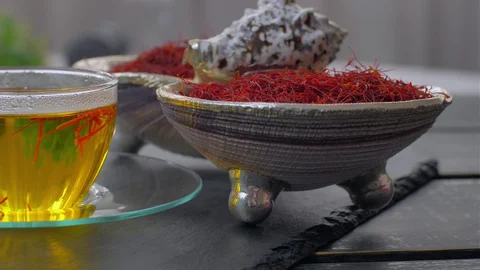
Saffron infusion is a nourishing, delicious drink that may help control blood pressure. Place a few threads in hot water and allow their aroma and color to infuse. Besides its pleasant taste and aroma, it has many therapeutic properties. As a calming drink, it may reduce stress and improve mood, thereby helping control blood pressure.
Conclusion
Saffron is a precious cooking spice with many therapeutic properties. Its antioxidant, anti-inflammatory and calming properties may positively affect blood pressure. Including it in the diet, particularly as an infusion, may help control blood pressure. However, consulting a doctor before any dietary changes is always recommended.
Frequently asked questions
1. Can saffron help lower blood pressure?
Yes. Saffron's antioxidant and anti-inflammatory properties may help lower blood pressure.
2. How can saffron be included in the diet?
Saffron can be used as a spice in food or consumed as an infusion.
3. Does saffron consumption have side effects?
Saffron should be consumed in moderation, as excessive intake may cause adverse effects.
4. How much saffron per day is appropriate?
Generally, 50–100 mg saffron daily is considered appropriate, but it is best to consult your doctor.